


Ottawa Commute & Convenience Map: Finding the "Right-Now" Fit for Your Daily Routine
Choosing where to live isn't just about the home—it's about the rhythm of your week. The best neighborhood is the one that makes your mornings easier, your errands shorter, and your evenings feel like you actually have time to breathe. Ottawa, Kansas, has a layout that rewards smart placement: pick the right side of town (or just the right few blocks), and your day can flow with fewer turns, fewer stoplights, and less backtracking.
This guide works like a mental "commute & convenience map" you can use before you ever tour a property. Think in terms of your daily anchors—work, school, groceries, fitness, and weekend fun—then look for the overlap. When multiple anchors sit within a quick drive, you'll feel the difference immediately.
Start With Your Anchors: Work, School, and the Places You Visit Twice a Week

Commute math is personal. A "good" commute can mean a straight shot with predictable traffic, a route that avoids school drop-off congestion, or a drive that doesn't require crossing town for every errand. In Ottawa, many residents build their routine around a few key corridors that make it easy to move between residential streets, employment areas, and everyday services without feeling boxed in.
Before you fall in love with a kitchen, list your top five weekly stops: workplace (or the highway direction you travel), grocery and pharmacy, a preferred fitness option, the school route (if relevant), and one "quality-of-life" stop—like a park path or a spot you visit on weekends. If a neighborhood places at least three of those stops on a simple route, it's often a better fit than the home that's 10% bigger but 20% more complicated to live in.
Also consider time-of-day patterns. Some streets feel effortless mid-day and sluggish during school drop-off and pick-up. If your schedule is flexible, you can prioritize other conveniences; if you keep strict hours, prioritize the routes that stay steady when everyone else is on the move.
Choosing a "Daily Routine Zone": North, South, East, or Central Living
Central convenience is the classic choice for residents who want quick access to multiple directions. Living closer to the middle of town can mean shorter drives to schools, community services, and the places you pop into frequently—plus less "edge-of-town" backtracking. It's a strong option if your routine involves several short trips rather than one long commute.
Edge-of-town breathing room can be ideal if your work or frequent travel pulls you toward a particular exit direction. Neighborhoods that sit closer to your most-used corridor can reduce the number of in-town miles you rack up each week. This is especially appealing for anyone who commutes out of Ottawa regularly and wants to keep the day-to-day drive simple.
Errand efficiency matters more than many buyers expect. A neighborhood that puts groceries, pharmacy needs, and quick services on the same route—without a lot of zig-zagging—creates a surprising amount of "found time." Over a year, shaving even 8–10 minutes from three weekly errands becomes hours you get back for family, hobbies, or rest.
School Runs, After-School Activities, and the "Two-Trip" Test

If you're coordinating school, practices, and appointments, test neighborhoods with a realistic scenario: Can you do your most common "two-trip" without frustration? For example, home → school → grocery → home, or home → practice → pharmacy → home. The most livable areas aren't always the closest to any single destination; they're the ones that make the chain of stops feel smooth.
Outdoor space also plays a role in daily routine. Access to a park path or a quiet loop for an evening walk can be the difference between "we should get outside" and actually doing it. Ottawa's community vibe is one of its strengths—neighbors show up for local events, and many households value a lifestyle that includes time outdoors, not just time in the car.
When touring, drive the area at the time you'd normally leave for work or school. Notice whether the route feels intuitive, whether turns are easy, and whether you're forced into a single bottleneck. Those details don't appear in listing photos, but they affect your week more than a trendy backsplash ever will.
Homes That Match the Pace: From Low-Maintenance to Room-to-Grow
Ottawa's housing mix can support different schedules. If you're often on the go, look for a home that's designed for low-maintenance living—practical layouts, manageable yards, and quick access to your main routes. If your ideal week includes gardening, projects, or hosting, you may prefer a little more space, even if it adds a few minutes to the drive.
Pay attention to the "arrival experience." After a long day, do you want a calm street with minimal through-traffic? A driveway that makes unloading groceries easy? A garage setup that fits your routine? These are micro-conveniences, but they stack up fast—especially in Kansas weather swings, when you'll appreciate quick transitions from car to home.
In market terms, homes positioned for commute simplicity and everyday convenience often hold broad appeal. They tend to attract buyers who value predictability, and that can matter if you're thinking about resale later. The best approach is to balance what feels right now with what stays desirable over time: functional layout, sensible location, and condition that matches your appetite for projects.
Weekends Count Too: Recreation, Local Character, and Your "Recharge Radius"
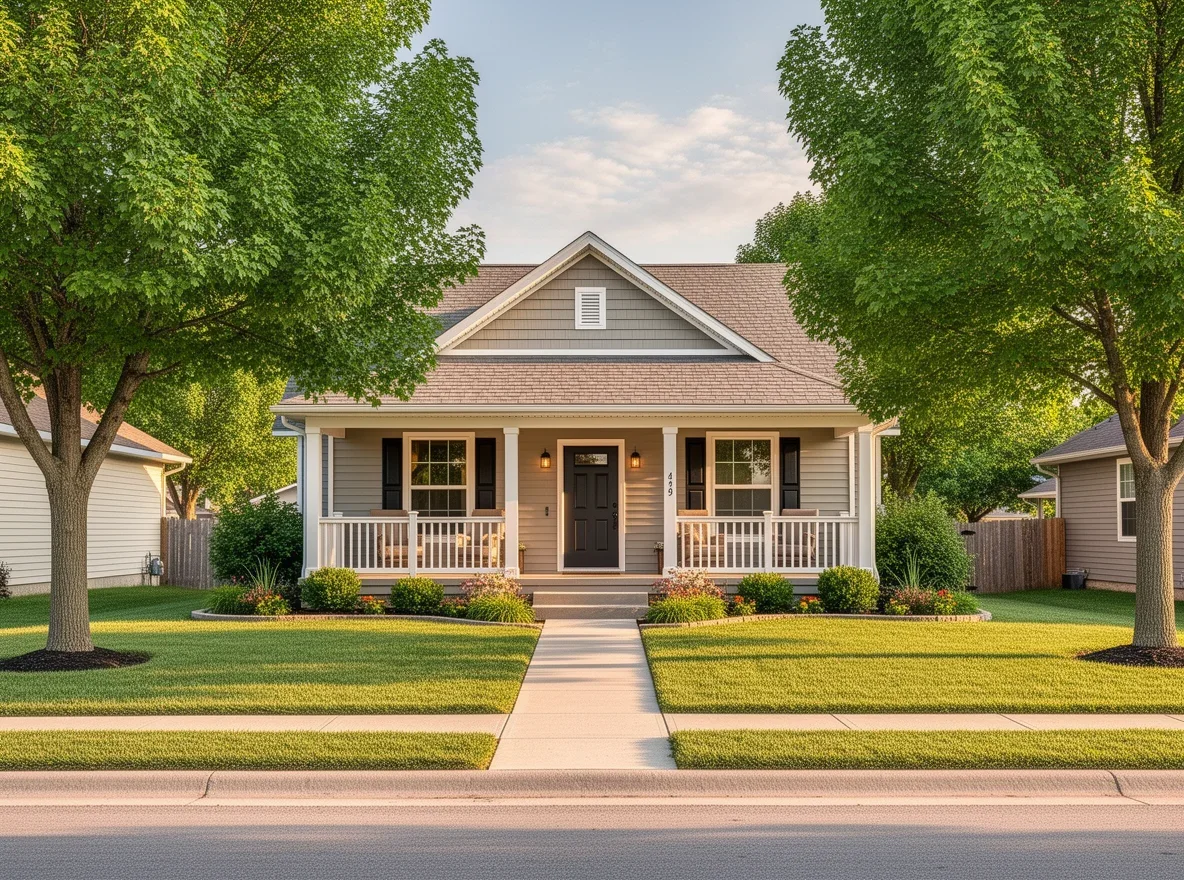
Convenience isn't only weekday logistics. Your map should include the places you go to reset: trails and parks, community gathering spaces, and the routes you use when you want to get out for a drive. A neighborhood that's slightly farther from one errand but closer to your favorite walk or weekend activity can feel "more livable" than the closest option on paper.
Ottawa offers that small-city balance: enough amenities to keep your routine practical, with a pace that encourages you to actually use your evenings and weekends. If you're relocating from a busier metro, the shift can be refreshing—less time planning around traffic and more time doing what you moved here to do.
One of the smartest ways to shop is to align the home with your preferred lifestyle tempo. Do you want to be five minutes from everything, or do you want a quieter setting with a slightly longer drive that feels worth it every time you pull into the driveway?
Putting the Map to Work: A Simple Neighborhood Shortlist Method
Here's a practical way to narrow your search without overthinking it:
- Pick three daily anchors (work direction, school route, grocery/pharmacy).
- Pick one lifestyle anchor (park path, fitness routine, or a weekend tradition).
- Test two real-world routes at the times you'd actually drive them.
- Tour with your routine in mind: parking, entry, storage, and how quickly you can get back on your main road.
With Liberty Real Estate, you get long-tenured local market experience in the Lyndon, KS area and a perspective that's grounded in how people really live—commutes, school schedules, and the daily patterns that turn a house into a home. If you want help matching Ottawa neighborhoods to your personal "commute & convenience map," Linda Vandevord can help you compare options quickly and confidently, so you end up in a place that fits your routine from day one.