


Osage City Pricing Reality Check: What Actually Moves a Home Fast
Pricing a home in Osage City isn't about picking a number that "feels right" or copying whatever sold last spring and hoping for the same result. It's about understanding what buyers are reacting to right now—interest rates, inventory, seasonality, and the specific features that matter in a community where practicality often wins over flash. When the price matches the moment, homes don't just sell; they sell with cleaner terms, fewer concessions, and a smoother path to closing. And when it doesn't, the market usually delivers the verdict quickly.
The fastest sales typically start with a strategy, not a guess. In and around Osage City, buyers are often balancing commute considerations, school preferences, and the "total monthly payment" math that can shift dramatically with small price changes. That means an accurate list price has to account for more than square footage—it needs to reflect condition, layout functionality, and what a buyer will likely need to spend after moving in. A home that's priced as if it's turnkey but clearly needs roof, HVAC, or foundation work will sit, even if comparable sales look similar on paper.

Here's the reality check: the "perfect price" is often less about maximizing the number and more about maximizing the number of serious buyers who will act within the first 7–14 days. That early window is when your listing is freshest, notifications are going out, and buyers who've been waiting for the right fit will schedule showings. If you price just a bit high, you don't simply get "a little less attention"—you can miss the entire set of buyers who are pre-approved up to a certain threshold and filtering their searches accordingly. Once the listing is stale, even a later reduction can feel like confirmation that something is wrong.
So what actually moves a home fast in Osage City? Clarity and confidence. Buyers move quickly when they feel they're getting an honest value: a well-maintained home, a clean inspection profile (or transparent disclosures), and a list price that aligns with condition. Many buyers will happily pay for a house that's "boring but solid"—updated mechanicals, tidy gutters, good drainage, and evidence the home has been cared for. Conversely, cosmetic updates can help, but they don't override a price that ignores deferred maintenance.
The "Speed Triggers" Buyers Respond to
If your goal is a fast, strong offer, focus on the handful of factors that repeatedly drive urgency. These are the items that tend to separate a quick sale from a slow grind:
- Condition-to-price alignment: If it looks move-in ready, it must be priced like move-in ready. If it needs work, pricing must acknowledge the work.
- Payment-friendly thresholds: Even small pricing shifts can drop the monthly payment enough to widen the buyer pool.
- Clean first impression: Curb appeal, lighting, and clutter control can make a "maybe" into a showing request.
- Layout livability: Spaces that function well (even if modest) often outperform larger homes with awkward flow.
- Documentation and transparency: Receipts for improvements, clear disclosures, and a straightforward story reduce buyer hesitation.
Osage City's appeal is rooted in day-to-day livability: a community feel, access to outdoor spaces, and the kind of neighborhoods where people notice whether a home is cared for. That's why simple improvements—fresh mulch, trimmed landscaping, a pressure-washed porch, neutral paint touch-ups—can create real momentum when paired with the right price. They don't "add" dollar-for-dollar value, but they absolutely increase the number of buyers willing to compete.
Pricing Isn't Just a Number—It's a Marketing Message
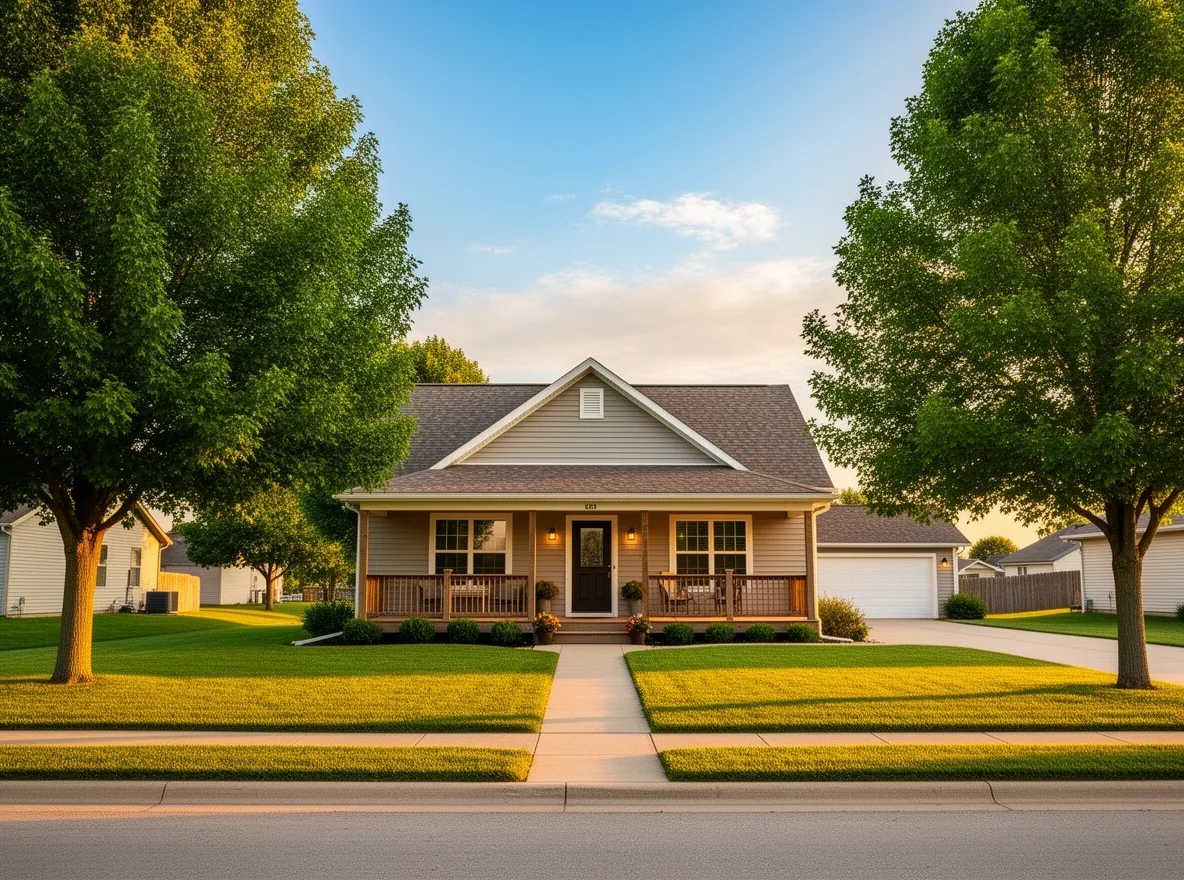
When you list, buyers subconsciously translate your price into a message: "This is fairly priced," "This seller is testing the market," or "This is going to be a negotiation." The homes that move fast usually send the first message. They're positioned to create a sense of urgency, not friction. In practical terms, that often means pricing to attract multiple interested parties rather than pricing to "leave room" to negotiate.
Another overlooked piece: appraisal risk. If a home is priced above what recent, relevant sales support, you may still get an offer—but it can come with uncertainty. An appraisal shortfall leads to renegotiations, delays, or a failed deal. Homes that are priced with the appraisal reality in mind tend to close more smoothly, and that certainty is worth real money in both time and stress.
To make pricing decisions smarter, zoom in on what truly compares. Not every sale is a true comp: a remodeled kitchen, a finished basement, acreage vs. in-town lots, garage size, and even the quality of maintenance can create gaps that the market notices immediately. The best pricing plans weigh these differences honestly, then use them to position your home so the first showing doesn't feel like a letdown.
Local Lifestyle Factors That Influence Demand
Even in a small-city market, lifestyle matters. Buyers often prioritize commutes to nearby employment centers, proximity to schools, and easy access to recreation. Homes that offer flexible space—an extra room that can serve as an office, hobby room, or guest space—tend to show better in today's market, especially for buyers who want options without paying for unused square footage. Outdoor space is another consistent driver: a manageable yard, room for a garden, or a patio that feels like a retreat can add emotional pull without adding major cost.
Seasonality plays a role, too. Spring and early summer often bring more active buyers, but serious movers can show up any time—especially when inventory tightens. The key is to avoid pricing "for last season" when the current buyer pool and financing environment may be different. The fastest sales come from aligning your home's strengths with current buyer expectations and removing doubts through preparation and presentation.
How Liberty Real Estate Helps You Price for Momentum
At Liberty Real Estate, the approach is grounded in local insight and real-world negotiating experience—not generic online estimates. Linda Vandevord brings long-tenured market knowledge from the Lyndon, KS area and surrounding communities, with a practical focus on what actually gets offers: a price that matches condition, a plan for presentation, and a timeline that supports your goals. That combination is especially valuable when you're deciding between "list high and wait" versus "price right and move."
If you want your Osage City home to sell fast, aim for trust. Trust comes from a home that shows well, a listing that feels honest, and a price that buyers can defend to themselves and their lender. When you hit that sweet spot, you don't have to chase the market with reductions—the market comes to you with showings, offers, and a clear path to closing.