


Carbondale Starter vs. Forever Home: How to Choose the Right Fit (and Feel Confident Doing It)
Buying a home in Carbondale can feel like standing at a fork in the road: one path leads to a practical "starter" that gets you in the door, and the other points toward a "forever home" that's meant to hold decades of memories. Neither option is automatically smarter—your best choice depends on how you live today, how you expect life to change, and how comfortable you want to be with future maintenance and expenses. The good news is that with a clear framework, this decision becomes far less emotional and far more empowering. Let's walk through how to compare the two options and move forward with confidence.
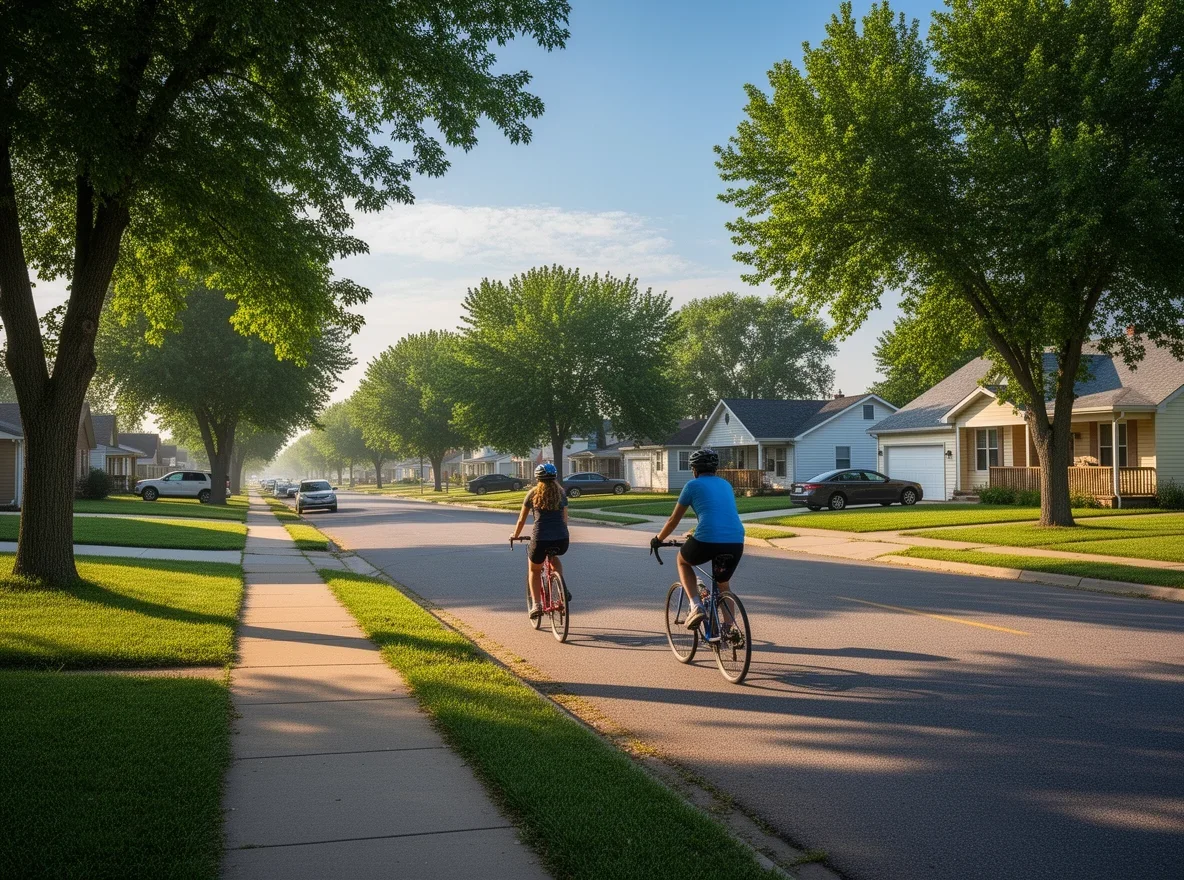
Start with the life you're building, not the house you're imagining. A starter home often shines when your priorities are flexibility and affordability—think lower upfront costs, a simpler footprint to maintain, and a chance to learn what you truly value in a neighborhood and floor plan. A forever home, on the other hand, tends to win when your priorities are stability and long-term comfort—more space, more storage, and features that support life stages like working from home, hosting holidays, or planning for accessibility later on.
In a community like Carbondale, Kansas, where day-to-day living is often defined by a quieter pace, local connections, and easy access to the broader Topeka area, your "fit" comes down to how you want your weeks to feel. Do you want a shorter commute, a yard that's manageable, and a home that frees budget for travel or saving? Or are you ready to invest in a property that can adapt for a growing household, hobbies that need space, or multigenerational living?
Tip: Write down your "non-negotiables" for the next two years and your "wish list" for the next ten. Starter homes should hit the non-negotiables with minimal compromise. Forever homes should satisfy today's needs while also having room to evolve.
The True Math: Monthly Payment Is Only the Beginning
It's easy to compare homes by purchase price alone, but the real comparison is the total cost of ownership. Starter homes can be cost-effective, yet they may bring older systems, higher utility variability, or projects that stack up quickly. Forever homes may cost more monthly, but they can also reduce the need to move again—saving you future transaction costs, moving expenses, and the stress of repeating the process in a few years.
As you weigh options, build a realistic budget that includes:
- Mortgage, taxes, and insurance (and how they might change over time)
- Utilities (larger homes often mean higher heating/cooling costs)
- Maintenance reserves (roofing, HVAC, plumbing—plan for the unglamorous)
- Immediate updates you'll want to do within the first year
- Commute and lifestyle costs (fuel, parking, time)
In Kansas, weather swings can test a home's insulation, HVAC performance, and roof condition. Whether you're buying a modest starter or a larger long-term home, strong inspections and clear repair expectations matter. A home that "seems fine" can become expensive quickly if big-ticket items are near the end of their life cycle.
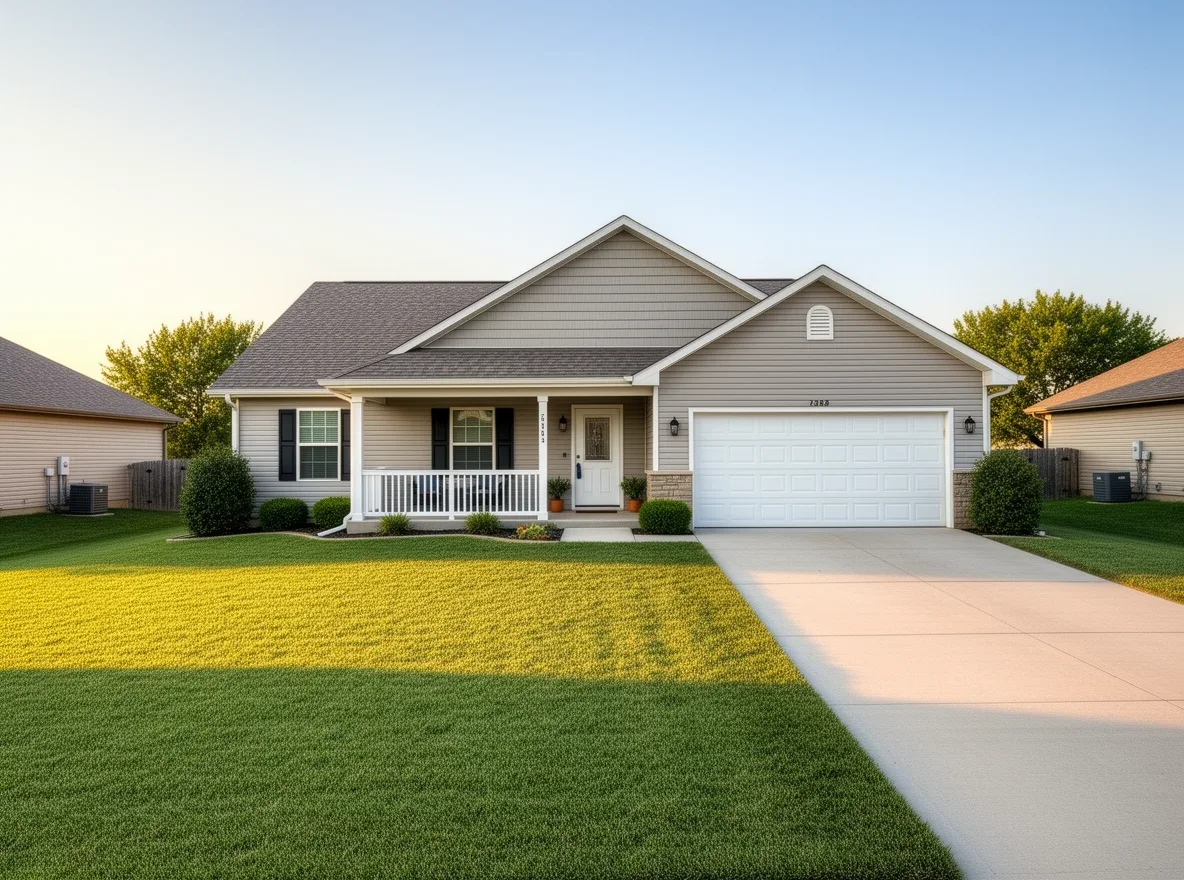
One practical exercise: ask yourself how you'd feel if you had to stay in the home for seven years. Markets shift, job plans change, and life happens. If you'd feel trapped in the starter home, it might be too small or too far from what you need. If you'd feel financially strained in the forever home, it might be too big of a leap right now.
Also consider resale and rental flexibility. Some starter homes are excellent stepping-stones because they're easy to resell later or potentially keep as a rental (depending on your goals and local conditions). A forever home can also be a strong investment, but its resale may depend more on buyer demand for size, layout, and neighborhood preferences.
Carbondale's appeal often includes a sense of community and an easy rhythm to daily life—nearby recreation, school activities, and a "know your neighbors" feel. When you tour homes, pay attention to the street itself: traffic flow, yard sizes, shade coverage, and how the neighborhood feels at different times of day. A home can be perfect on paper and still feel like the wrong fit if the setting doesn't match your routine.
Layout, Land, and Lifestyle: What Will Matter More Later?
Starter homes typically shine with efficient layouts: fewer rooms, less to clean, and often a simpler yard. That can be a huge win if your weekends are busy or if you'd rather spend time on hobbies than home projects. But efficiency can become a drawback if your needs expand—adding a child, caring for family, working from home full-time, or simply wanting a quiet space separate from the main living area.
Forever homes often offer extra bedrooms, larger kitchens, more storage, and features like attached garages or dedicated laundry rooms. The question is whether you'll truly use the space, or whether it becomes "expensive square footage" you heat, cool, and maintain without enjoying it. Think in terms of how you live: do you host gatherings, need craft/workshop space, or want a larger yard? Or do you value low maintenance and simplicity?
Don't underestimate the power of a good floor plan. A smaller home with smart flow can feel bigger than a larger home with awkward transitions. During showings, imagine real routines: where backpacks land, how groceries come in, where you'd set up a desk, and whether the primary bedroom feels restful or squeezed. Those day-to-day moments are what turn "a house" into "the right home."
Schools, recreation, and daily convenience should be part of your "starter vs. forever" equation too. If you expect your household to change, proximity to schools, parks, and everyday services can matter more than you think. Even if you don't have children, strong school zones often influence resale demand. Meanwhile, access to recreation—walking routes, open spaces, and community facilities—supports quality of life in ways that are hard to quantify until you have them.
And yes, dining and local favorites play a role—especially in a smaller community where the best parts of life are often the simple routines: grabbing a quick bite, meeting friends nearby, or enjoying a low-key evening without a long drive. When you choose a location that fits your rhythm, the home itself tends to feel more "right," whether it's your first purchase or your long-term anchor.
How to buy with confidence: treat this decision like a series of small, clear choices rather than one giant leap. Get pre-approved so your budget is grounded. Decide what you're willing to compromise on (paint and fixtures are easier than layout and location). Use inspections to understand the home you're buying, not just to "check a box." And keep a realistic timeline in mind—rushing often leads to regrets.
For buyers who want a steady, informed process, working with someone who knows the local patterns makes a difference. Liberty Real Estate brings long-tenured local market experience in the Lyndon, Kansas area, and Linda Vandevord is experienced in guiding both buyers and sellers through decisions that balance today's needs with tomorrow's possibilities. Whether you choose a starter home that sets you up for the next chapter or a forever home that fits your long view, the goal is the same: a purchase you feel good about long after closing day.