


A First-Time Buyer's Guide to Lyndon, KS: 7 Mistakes That Get Expensive (and the Fixes That Actually Work)
Buying your first home is supposed to feel like a milestone—until the fine print, the inspections, and the "wait, what does that mean?" moments start piling up. In a close-knit market like Lyndon, Kansas, small oversights can turn into big invoices, because homes often come with acreage quirks, well/septic considerations, and maintenance realities that don't show up in glossy listing photos. The good news is that most first-time buyer mistakes are predictable—and preventable. Below are seven common missteps and practical fixes that help you shop with confidence and keep your budget intact.
1) Falling in love with the house… before you understand the monthly payment
The mistake: focusing on the sale price while underestimating the full monthly cost. In practice, your payment can shift dramatically once property taxes, insurance, interest rate, mortgage insurance (if applicable), and even HOA dues are included. Add commuting costs and utilities, and what felt "comfortable" on paper can start to pinch.
The fix: build a "real payment" range before touring. Ask your lender for a breakdown that includes taxes and insurance estimates for the neighborhood you're shopping, then stress-test it with a conservative rate and a small maintenance reserve. If the payment only works when everything goes perfectly, it's too tight.
2) Skipping pre-approval—or treating it like a formality
The mistake: getting pre-approved but not verifying the details that matter, like acceptable property types, appraisal conditions, or how quickly your lender can close. In competitive situations, sellers often favor offers that feel certain, even if another offer is slightly higher.
The fix: get fully underwritten pre-approval when possible and keep your documentation organized. If you're considering homes with outbuildings, larger lots, or older construction, confirm with your lender early that your loan program matches those features. A strong pre-approval is also your best tool for staying disciplined—because it sets a clear ceiling before emotions enter the chat.
3) Underestimating inspections (and not negotiating with a plan)
The mistake: either skipping inspections to "simplify" the deal or expecting the inspection report to be a list of items the seller automatically fixes. In reality, inspections are a roadmap: they show you what you're buying, what needs attention now, and what can wait.
The fix: treat the inspection window like a decision window. Prioritize health and safety, water intrusion, roof and foundation concerns, HVAC life expectancy, and electrical issues. Then choose a negotiation strategy: request repairs, request credits, or adjust price based on contractor estimates. The best outcomes come from being specific and reasonable, not from handing over a long list of minor items.
4) Forgetting about water, drainage, and the "outside" costs
The mistake: concentrating on interior finishes while ignoring grading, gutter discharge, driveway condition, and yard drainage. Even in a small-town setting, water is the silent budget-buster—one poorly managed runoff path can lead to basement moisture, mold remediation, and repeated patchwork fixes.
The fix: during showings, walk the perimeter. Look for downspouts that extend away from the home, soil sloping away from the foundation, and signs of past moisture (staining, musty smells, efflorescence). If the home has a larger lot, note how water moves after heavy rain and whether the driveway or culverts show erosion. Pair the inspection with a follow-up from a specialist when needed; it's far cheaper than discovering the problem after move-in.
5) Overlooking the realities of older homes (charm comes with maintenance)
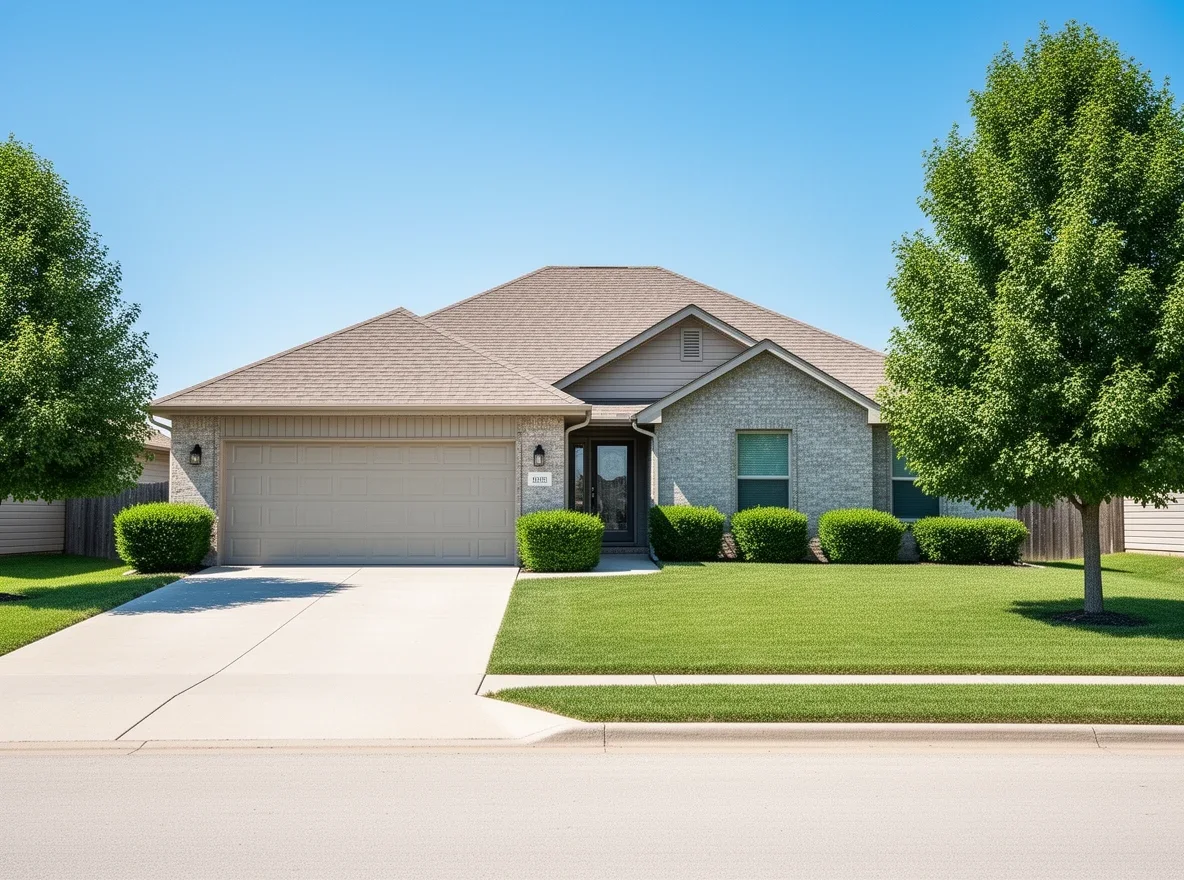
The mistake: assuming "updated" means everything is new, or that cosmetic renovations tell the full story. Many first-time buyers discover later that the unseen systems—wiring, plumbing, HVAC, insulation, windows, and structural elements—are where the true costs live.
The fix: ask for ages of major components and look for permits or documentation when available. If you're touring a home that feels "solid" but older, budget for phased improvements: a roof reserve, HVAC replacement planning, and energy-efficiency upgrades. A smart approach is to buy a home that's livable now, with room in your budget to make it better over time.
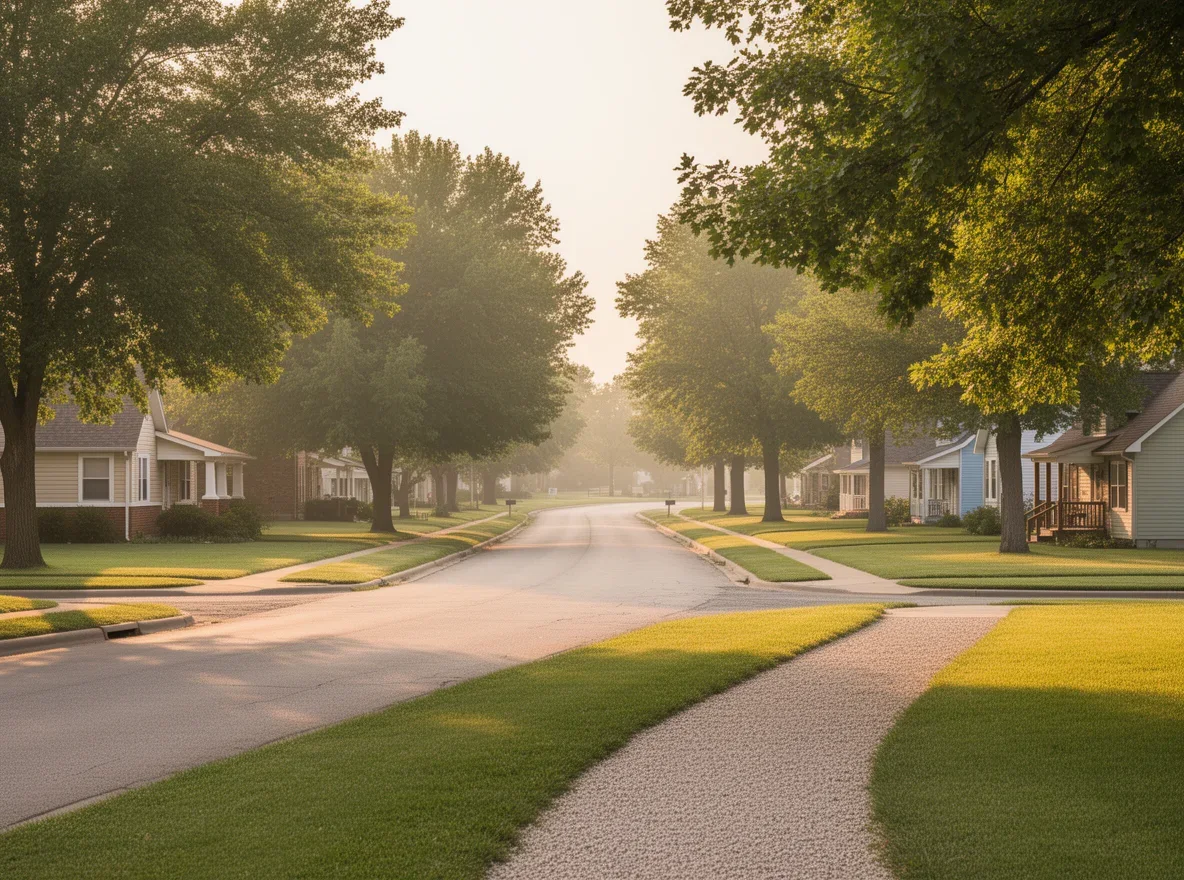
In a community like Lyndon, the appeal often includes quieter streets, outdoor space, and that familiar "neighborly" feel. That lifestyle is real—but so is the responsibility of maintaining a home through Kansas heat, storms, and seasonal swings. Planning beats panic every time.
6) Choosing location last (when it should be first)
The mistake: letting finishes or square footage outweigh daily-life logistics. First-time buyers sometimes realize too late that the commute, school options, recreation access, or even the feel of the immediate street matters more than a trendy backsplash.
The fix: define your "non-negotiables" around routines. Think: distance to work, access to parks and outdoor recreation, proximity to schools, and how you spend weekends. Drive the route at the times you'll actually use it. Spend a few minutes outside the home listening—traffic patterns, neighborhood noise, and general activity levels can change by time of day.
7) Not planning for resale (even if you swear it's your forever home)
The mistake: stretching to buy the most expensive home you can qualify for, or selecting a property with features that are tough for future buyers (unusual layouts, limited parking, or significant deferred maintenance). Life changes faster than people expect—jobs shift, families grow, and "forever" becomes "for now."
The fix: buy with flexibility. Look for fundamentals that hold value: a functional floor plan, good natural light, sensible bedroom count, and a location that supports everyday convenience. If you're comparing two homes, the one that's easier to maintain and easier to imagine living in will often be easier to sell later too. Keep a modest repair reserve, and document improvements as you go; that history helps when it's time to list.

A quick "before you offer" checklist
- Payment clarity: taxes, insurance, and maintenance reserve included
- Pre-approval strength: property type and closing timeline confirmed
- Inspection strategy: what you'll request (repairs vs credits) decided in advance
- Water/drainage scan: gutters, grading, basement/crawlspace signs checked
- Systems awareness: ages of roof/HVAC/plumbing/electrical understood
- Location fit: commutes and routines tested in real time
- Resale lens: layout and maintenance profile make sense long-term
Closing thoughts: calm planning beats costly surprises
First-time buyers don't need to be experts—they need a process, good questions, and local guidance that anticipates what can go wrong. That's where deep familiarity with the Lyndon market helps, especially when you're weighing the tradeoffs between charm, condition, and long-term value. Liberty Real Estate brings long-tenured local experience to help buyers spot red flags early, negotiate with clarity, and land in a home that fits both lifestyle and budget. If you're preparing to buy in Lyndon, the best move is starting with a plan that protects your future self.